 Khả năng gia công chính xác: Tiện kiểu Thụy Sĩ, phay CNC, vật liệu và kiểm tra.
Jan 29, 2026
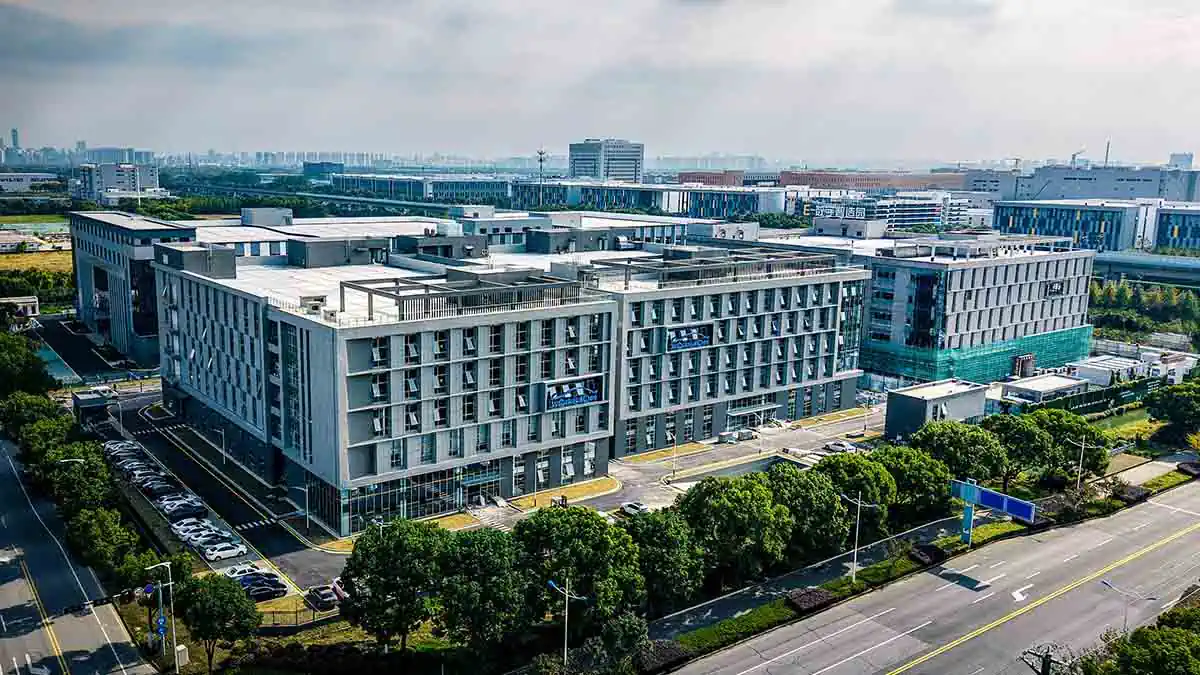
Trang này cung cấp tổng quan thực tế về khả năng gia công chính xác các linh kiện đòi hỏi độ chính xác cao của chúng tôi, được xây dựng dựa trên hai cơ sở sản xuất tại Tô Châu và Vũ Hán. Nếu bạn muốn báo giá nhanh hơn, hãy gửi kèm bản vẽ, thông tin vật liệu, yêu cầu về bề mặt và kích thước mà bạn cho là quan trọng. Bạn có thể gửi chúng qua... info@workersbee.com . Tổng quan về khả năngNăng lực gia công kiểu Thụy Sĩ của chúng tôi bao gồm 66 máy gia công nhập khẩu từ Thụy Sĩ của Tsugami và Citizen (48 máy ở Tô Châu, 18 máy ở Vũ Hán). Các mẫu máy bao gồm Citizen A20/A12 và Tsugami S206, B.O385, BO325, BO265, BOCác máy 205, BO204 và BO203 được hỗ trợ bởi bộ cấp phôi tự động. Dây chuyền hỗ trợ gia công tự động lên đến 6 trục và gia công tiện phay đa mặt (mặt trước/mặt sau/mặt bên) trong một lần thiết lập. Trung tâm gia công của chúng tôi có tổng cộng 27 máy gia công chính xác, trong đó 16 máy được trang bị trục thứ 4 và 1 máy có cấu hình 5 trục, cho phép khoan, phay và taro nhiều mặt chỉ trong một lần kẹp phôi. Hệ thống hỗ trợ chất lượng bao gồm một đội ngũ kiểm tra chuyên trách gồm 25 người và hai hệ thống kiểm tra tự động để sàng lọc đường kính trong và chiều dài tổng thể, cùng với hệ thống phân loại và đếm tự động. Tổng quan về khả năngKhu vựcPhù hợp nhấtĐặc điểm điển hình của bộ phậnTập trung vào chất lượngTiện kiểu Thụy SĩCác bộ phận dựa trên trục với yêu cầu độ đồng tâm cao.Đường kính nhỏ, hình dáng thon gọn, nhiều đặc điểm được căn chỉnh theo một trục.Tính đồng trục, kiểm soát bavia, tính lặp lại trên toàn bộ thể tíchGia công phay CNC (4/5 trục)Các đặc điểm đa mặt hoặc các mặt phẳng tham chiếuLỗ chéo, hốc, mặt vát, đường viền phức tạpVị trí giữa các chi tiết, độ ổn định kẹp, tính nhất quán của lô sản phẩmCác hoạt động thứ cấpHình thức, độ sắc cạnh và độ sạch sẽLoại bỏ bavia, tạo bề mặt đồng đều, làm sạch các chi tiết sẵn sàng cho việc lắp ráp.Độ đồng nhất của vết nứt cạnh, điều kiện bề mặt, kiểm soát cặn bẩnKiểm tra và tự động hóaSàng lọc số lượng lớn và đo lường ổn địnhKiểm tra đường kính trong và chiều dài, phân loại và đếm.Sự phù hợp về phương pháp, logic từ chối, khả năng truy vết Gia công tiện kiểu Thụy Sĩ (Gia công cơ khí kiểu Thụy Sĩ)Gia công kiểu Thụy Sĩ là một lựa chọn tối ưu khi chuẩn chức năng là trục hình trụ và nhiều chi tiết phải được căn chỉnh thẳng hàng với trục đó. Ít thao tác kẹp lại hơn thường đồng nghĩa với việc ít có khả năng xảy ra sai sót tích lũy. Dây chuyền tiện kiểu Thụy Sĩ của chúng tôi được xây dựng dựa trên thiết bị của Tsugami và Citizen, được cấu hình để gia công tự động đa trục với các đầu kẹp dụng cụ có động cơ, cho phép gia công kết hợp tiện-phay trên nhiều mặt trong khi vẫn duy trì sự thẳng hàng chặt chẽ với trục chính. Gia công phay CNC và gia công đa trụcGia công phay trở thành quy trình chính khi hình dạng hình học của bạn chủ yếu là các mặt phẳng chuẩn, các mẫu chi tiết đa mặt hoặc các hốc/đường viền khó gia công bằng phương pháp tiện trước. Trung tâm gia công của chúng tôi có khả năng gia công 4 trục và 5 trục, cho phép thực hiện khoan, phay và taro nhiều mặt chỉ với một lần kẹp phôi, giúp bảo vệ các mối quan hệ giữa các chi tiết và giảm thiểu sự sai lệch vị trí giữa các lô sản phẩm. Các công đoạn gia công thứ cấp và hoàn thiệnNhiều tranh chấp trong sản xuất không phải do kích thước gây ra. Chúng xuất phát từ tình trạng cạnh, độ đồng nhất bề mặt và kỳ vọng về độ sạch sẽ không được xác định rõ ràng ngay từ đầu. Chúng tôi hỗ trợ các bước gia công sau cắt phổ biến như hoàn thiện bằng từ tính, phun cát ướt và khô, hoàn thiện ly tâm và rung, và làm sạch bằng sóng siêu âm. Điều này giúp kiểm soát bavia, bề mặt và cặn bẩn sau khi cắt. Khi cần các quy trình xử lý bề mặt bổ sung, chúng tôi có thể phối hợp với các đối tác lâu năm để thực hiện mạ điện, anot hóa, phun sơn, đánh bóng điện phân và xử lý nhiệt. Vật liệu chúng tôi gia côngViệc lựa chọn vật liệu ảnh hưởng đến độ mòn dụng cụ, hiện tượng tạo bavia, rủi ro bề mặt, và thậm chí cả cách thức và thời điểm đo lường. Chúng tôi gia công nhiều loại kim loại và nhựa kỹ thuật, bao gồm thép không gỉ (SUS303/304/316L, 630/17-4), thép (1215/1144/S45C), hợp kim đồng (C3604/C3602 và các loại tương tự), hợp kim nhôm (6061-T6/6063/7075-T6 và các loại khác), nhựa kỹ thuật (PEEK, PTFE, POM) và hợp kim niken-sắt thuộc họ Kovar (4J29/4J36/4J42). Tổng quan về vật liệuHọ vật liệuVí dụNên xem gìNhững điểm cần làm rõ trong yêu cầu báo giá/bản vẽThép không gỉSUS303/304/316L, 17-4Kiểm soát bavia, mài mòn dụng cụ, độ đồng nhất bề mặtCác bề mặt chức năng, cạnh bị gãy, khu vực dễ bị ăn mònThép1215/1144/S45CĐộ ổn định nhiệt và hoàn thiện, nhu cầu xử lý sau gia côngNhu cầu xử lý nhiệt, sơ đồ chuẩn, kích thước CTQHợp kim đồngC3604/C3602Hiện tượng lem mực và nhạy cảm với gờ, các vết trên bề mặtBề mặt thẩm mỹ so với bề mặt chức năng, các khu vực mạ (nếu có).Hợp kim nhôm6061-T6/6063/7075-T6Độ nhạy cảm với vết xước, tính toàn vẹn của cạnhGhi chú về cách xử lý, khu vực anot hóa, loại bề mặtNhựa kỹ thuậtPEEK/PTFE/POMBiến dạng và phục hồi kích thước, gờ/sợiThời gian đo, độ vừa vặn, yêu cầu về độ sạchHợp kim niken-sắtKovar 4J29/4J36/4J42Kiểm soát quy trình chặt chẽ, hao mòn dụng cụKích thước quan trọng, phương pháp kiểm tra, ghi chú xử lý Kiểm tra chất lượng và tự động hóaMột quy trình kiểm tra tốt bắt đầu bằng sự thống nhất về mục tiêu: những khía cạnh nào là quan trọng, cách đo lường chúng và định dạng báo cáo mong muốn ở mỗi giai đoạn. Chúng tôi hỗ trợ công tác đo lường và kiểm tra với một đội ngũ chuyên trách gồm 25 người, bao gồm đo hình ảnh, đo ánh sáng xung quanh, đo độ nhám, đo độ dày lớp phủ và kính hiển vi video, cùng với các thước đo và thước đo micromet tiêu chuẩn cho các kiểm tra thường xuyên và chính xác. Đối với việc sàng lọc số lượng lớn, chúng tôi sử dụng hai hệ thống kiểm tra tự động để kiểm tra đường kính trong và chiều dài tổng thể. Đường kính trong sử dụng phương pháp đo đạt/không đạt; chiều dài tổng thể sử dụng cảm biến tiếp xúc. Các bộ phận không đạt tiêu chuẩn được tự động phân loại theo loại khuyết tật, và hệ thống hỗ trợ đếm tự động. Các ngành công nghiệp và các loại linh kiện điển hìnhChúng tôi hỗ trợ các linh kiện chính xác và các dịch vụ kỹ thuật liên quan cho các ứng dụng trong lĩnh vực truyền thông quang học, y tế, ô tô, linh kiện làm mát bằng chất lỏng và các bộ phận liên quan đến đầu nối. Các ngành công nghiệp khác nhau đặt trọng tâm vào các rủi ro khác nhau. Các linh kiện quang học và liên quan đến đầu nối thường tập trung vào độ khít và tình trạng bề mặt. Các linh kiện y tế đặt ra kỳ vọng cao hơn về tính nhất quán, độ sạch sẽ và hồ sơ kiểm tra. Các chương trình sản xuất ô tô thường yêu cầu sản lượng ổn định ở quy mô lớn, nơi chiến lược sàng lọc trở nên quan trọng không kém gì chính quá trình gia công. Từ yêu cầu báo giá đến sản xuấtXem xét yêu cầu báo giá và bản vẽ → Phản hồi DFM → Chế tạo mẫu → Báo cáo đo lường → Chạy thử nghiệm → Sản xuất hàng loạt → Kiểm tra cuối cùng → Đóng gói và vận chuyển Các dự án nhanh thường bắt đầu với các thông số CTQ rõ ràng, phương pháp đo lường đã được thống nhất và các yêu cầu hoàn thiện phân biệt bề mặt chức năng với bề mặt phi chức năng. Danh sách kiểm tra yêu cầu báo giáMụcNhững thứ cần chuẩn bịVì sao nó hữu íchBản vẽBản vẽ 2D + mô hình 3D (nếu có)Đánh giá nhanh hơn và ít giả định hơn.Vật liệuCấp độ/tiêu chuẩn và các phương án thay thế được chấp nhậnLập kế hoạch quy trình và kiểm soát rủi ro bề mặtYêu cầu bề mặtMục tiêu + phạm vi áp dụngTránh các tranh chấp về thẩm mỹ và việc làm lại.Kích thước CTQXác định các đặc điểm quan trọng và sơ đồ tham chiếuĐiều chỉnh kế hoạch kiểm soát và nỗ lực kiểm tra cho phù hợp.Dung saiKhu vực căng thẳng so với khu vực thư giãnNgăn ngừa các yếu tố gây tốn chi phí không cần thiếtNhu cầu kiểm traLoại báo cáo và phương pháp lấy mẫuĐảm bảo nguồn lực đo lường phù hợpKỳ vọng theo lôNguyên mẫu / sản xuất số lượng nhỏ / chu kỳ sản xuất hàng loạtHướng dẫn quy trình lựa chọn và sàng lọc sự phù hợpĐóng gói/ghi nhãnNhu cầu bảo vệ và nhận dạngGiảm thiểu rủi ro hư hỏng và nhầm lẫn.Bảo mậtYêu cầu NDA nếu cóLàm rõ ranh giới xử lý Sẵn sàng xem xét bản vẽ của bạn. Vui lòng gửi file 2D/3D kèm thông tin về vật liệu, yêu cầu bề mặt và kích thước CTQ qua email đến địa chỉ sau: info@workersbee.comVui lòng ghi rõ số lượng mục tiêu của bạn (mẫu thử, lô nhỏ hoặc số lượng lớn). Chúng tôi sẽ xác nhận phản hồi về khả năng sản xuất và phương pháp kiểm tra trước khi lấy mẫu.
ĐỌC THÊM


 LIÊN HỆ VỚI CHÚNG TÔI


 IPv6 MẠNG ĐƯỢC HỖ TRỢ
 Tiếng Việt